
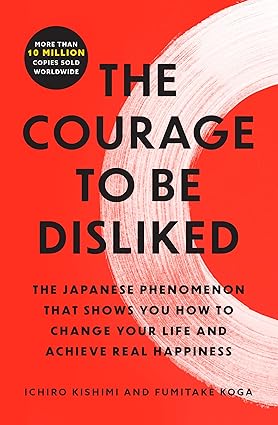
Written as a dialogue between an elderly philosopher and a frustrated young man, this book introduces Alfred Adler’s psychology through a structure borrowed from Socratic teaching. Across late-night conversations, the philosopher challenges the assumption that unhappiness comes from the past, arguing instead that people are shaped by the goals they’re currently choosing. It builds toward an uncomfortable claim: real freedom means risking being disliked rather than living for others’ approval. It became a massive bestseller in Japan before reaching English readers, and the back-and-forth format makes genuinely dense psychological ideas about purpose far easier to absorb. It’s a gentle but.
Availability:
In StockWritten as an extended dialogue between an elderly philosopher and a frustrated young man, this book introduces Western readers to Alfred Adler’s psychology through a structure borrowed from Socratic teaching dialogues. Across a series of late-night conversations, the philosopher challenges the young man’s assumption that his unhappiness comes from his past, his personality, or his circumstances, arguing instead that people aren’t shaped by trauma but by the goals they’re currently choosing, often without realizing it. The book builds toward a central, uncomfortable claim: real freedom means being willing to risk other people disliking you, rather than living your life in service of their approval. Kishimi and Koga use the back-and-forth argument format deliberately, letting the young man push back, get frustrated, and resist conclusions the way a real reader might, rather than presenting Adler’s ideas as settled fact from the start. It became a massive bestseller in Japan, selling millions of copies, before reaching English-language readers and finding a similarly devoted following. The conversational structure makes genuinely dense ideas about purpose, freedom, and interpersonal relationships go down far more easily than a standard psychology text would. Readers often pair it with Adler’s original writings or other Adlerian psychology texts for.




Reviews
There are no reviews yet.